
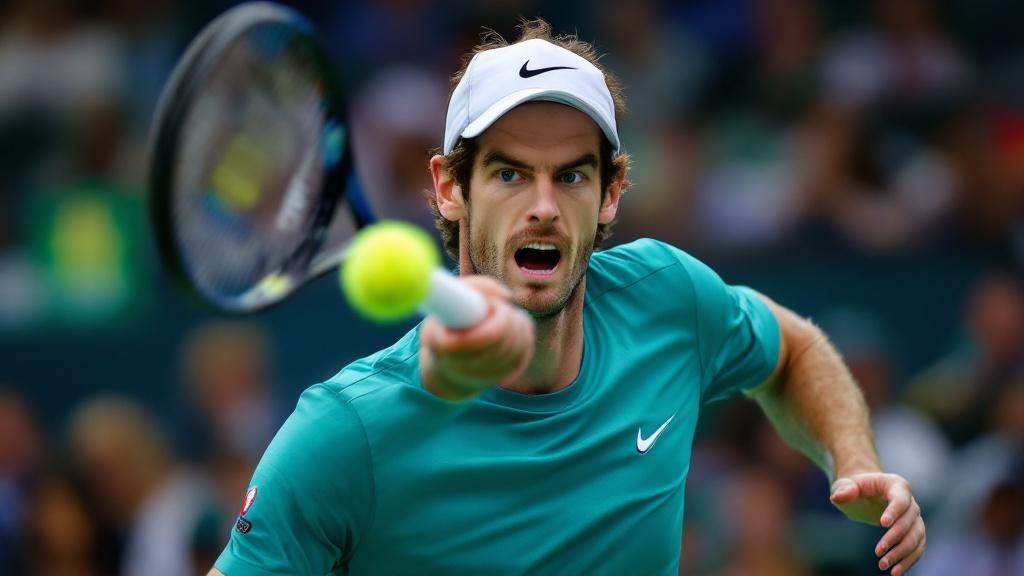
Andy Murray’s carefully orchestrated comeback to professional tennis has disrupted the British sporting establishment, signalling a possible resurgence for the nation’s most accomplished player. Following his serious hip operation, Murray’s measured reintroduction to competition promises to reshape the landscape of British tennis, encouraging a younger cohort whilst reigniting hopes of additional major championship victories. This article explores how his measured approach to tournament competition is shaping developmental programmes, nurturing young players, and establishing Britain as a formidable force in international tennis.
The Champion’s Return
Andy Murray’s return to professional competition goes well beyond a singular success; it symbolises resilience and determination that resonates throughout the British sporting landscape. After enduring a career-threatening hip operation, many wondered whether the thrice Grand Slam victor would ever compete at the highest level again. His choice to attempt a return, however, demonstrates an unwavering commitment to his craft and an unconquerable determination that has shaped his professional journey. The athletics fraternity follows with authentic fascination as Murray navigates this pivotal chapter, demonstrating that age and physical setbacks need not determine an athlete’s trajectory or performance goals.
The ramifications of Murray’s calculated reentry extend well beyond his solo achievements on court. His participation in professional tournaments revitalises British tennis, delivering a concrete demonstration of perseverance to junior competitors facing their own obstacles. Moreover, his return story delivers crucial guidance in psychological strength and physical rehabilitation, establishing new markers for sporting endurance. As Murray competes once more, he concurrently guides the next generation, building a connection between recognised achievement and emerging talent that bolsters the entire British tennis ecosystem.
Effect on Tennis Development in Britain
Murray’s comeback to competitive play has sparked considerable impetus within UK tennis development. His presence at premier competitions elevates the tennis profile within the UK, drawing increased investment in junior development initiatives and training facilities. The wider impact extend beyond top-level competition, motivating community involvement and prompting governing bodies to emphasise player discovery and development routes for rising British competitors.
Coaching and Guidance
Beyond his on-court displays, Murray has assumed an increasingly prominent mentoring role within the British tennis community. His willingness to share experience gained from performing at the elite standard offers invaluable guidance to emerging talent navigating their own professional paths. This informal coaching influence complements formal structures, offering useful knowledge into tournament preparation, mental resilience, and handling career demands.
Murray’s availability to up-and-coming athletes marks a shift away from conventional power structures within professional sport. By working closely with promising young players, he shows dedication to the advancement of British tennis. His mentorship extends past purely technical training, covering strategic career guidance, sponsorship negotiations, and psychological techniques vital to maintaining sustained competitive performance in international competition.
- Provides strategic guidance on tournament selection and scheduling
- Shares psychological strength methods built over career
- Facilitates connections to coaching and support staff networks
- Demonstrates workplace excellence through reliable dedication
- Encourages equilibrium between ambition and personal wellbeing
Competitive Results and Standings
Murray’s comeback to professional competition has shown impressive durability, with his results data revealing a athlete seeking to recapture his place within professional tennis’s upper echelon. Despite the inevitable physical demands of professional competition, his competitive standing has progressively advanced, showcasing his tactical expertise and emotional strength. His wins over proven rivals have prompted fresh conversation about his potential to contend for Grand Slam honours, whilst also delivering crucial information on his physical rehabilitation and competitive readiness.
The strategic approach of Murray’s event choices has been crucial in overseeing his recovery whilst preserving competitive edge. By carefully balancing high-level competition with sufficient rest intervals, he has enhanced his competitive progression without compromising lasting viability. His achievements have energised UK tennis fans and analysts alike, demonstrating that age and previous injury need not diminish a player’s competitive ambitions or achievements at the highest echelons of elite competition.
Coming Prospects and Influence
Andy Murray’s calculated comeback to professional competition has substantially reshaped understandings of what defines a accomplished tennis trajectory. His careful strategy shows that sustained play and deliberate competition can coexist physical limitations, providing important insights to ambitious sportspeople worldwide. The wider consequences of his resurgence extend beyond individual success; Murray’s presence on the circuit reinvigorates British tennis infrastructure, drawing financial support and public interest previously directed elsewhere. His impact on emerging talent exemplifies how experience and resilience transcend conventional career trajectories, establishing updated measures for sporting endurance.
Looking forward, Murray’s legacy will undoubtedly encompass more than tournament victories and ranking positions. His focus on nurturing up-and-coming British competitors has established a lasting foundation for the next generation of competitors aiming for international success. By reconciling competitive goals with mentoring obligations, Murray has positioned himself as both active participant and guardian of British tennis’s future. This two-fold responsibility bolsters the nation’s sporting framework whilst ensuring his deep experience benefits the sport long after his final competitive involvement, cementing his status as pivotal force within British sporting history.
