
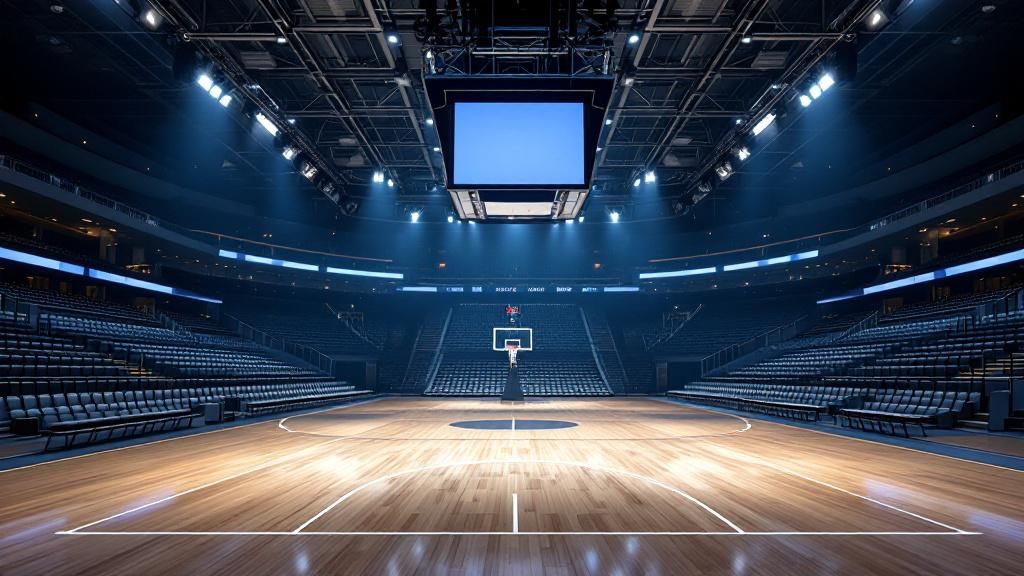
The National Basketball Association has made a significant move towards entering two major American markets, with the league’s governing body approving plans to consider establishing franchises in Seattle and Las Vegas. The announcement, made on 25 March, would boost the number of NBA teams from 30 to 32 subject to final approval. Seattle, which lost its Supersonics franchise to Oklahoma City in 2008, could reclaim an NBA franchise for the first time in nearly two decades. Las Vegas, meanwhile, has emerged as an growing appealing sports destination, already hosting franchises in three of the four major professional leagues. Any growth requires approval from at least 23 of the 30 NBA governors, with potential franchise owners required to invest between $7 billion and $10 billion for each team.
A Landmark Vote for Expansion
The board of governors’s decision to explore expansion represents a critical juncture for the NBA, indicating the league’s confidence in both Seattle and Las Vegas as sustainable future markets. NBA league chief Adam Silver emphasised the significance of the vote, stating it “reflects our board’s interest in exploring potential expansion to Las Vegas and Seattle – two markets with a long history of support for NBA basketball.” The commissioner pledged that the league would “take this next step and engage with interested parties,” suggesting that initial talks with potential franchise owners are expected to begin imminently. This exploratory phase constitutes the beginning of what could be a game-changing era for the professional game in North America.
Seattle’s case for NBA reinstatement is particularly compelling given the city’s proven track record of supporting professional sports and its longstanding ties to basketball. The Supersonics, who played between 1967 to 2008, won the hearts of Seattle fans and developed exceptional players including NBA superstar Kevin Durant during his first year. Importantly, Seattle would reportedly be permitted to reclaim the Supersonics branding if a franchise returns, allowing the city to revive its basketball legacy. Las Vegas, whilst lacking NBA history, has rapidly established itself a premier sports destination, successfully integrating professional franchises across various sports and demonstrating exceptional fan engagement and financial viability.
- Seattle lost the Supersonics to Oklahoma City in 2008
- Las Vegas hosts the Vegas Golden Knights and Oakland Raiders
- MLB’s Athletics relocating to Las Vegas from 2028 onwards
- Expansion requires approval from at least 23 NBA governors
Seattle’s Road to Big-Time Basketball
The Seattle Supersonics Legacy
Seattle’s basketball tradition remains a pivotal moment in the city’s sports culture, despite the difficult loss of the Supersonics almost twenty years ago. The franchise, which operated successfully from 1967 to 2008, took root in the community’s consciousness, fostering a loyal supporter base that has consistently maintained hope of the team’s return. The Supersonics’ relocation to Oklahoma City in 2008 represented a significant blow to the city, yet it has simply reinforced Seattle’s determination to reclaim its place in professional basketball. The passage of time has not diminished the deep bond residents maintain with their one-time team.
Among the most illustrious moments in Supersonics history was the franchise’s NBA championship victory in 1979, a achievement that remains etched in Seattle’s sporting memory. The team also served as a launching pad for remarkable talent, most notably Kevin Durant, who commenced his groundbreaking NBA career during his rookie season with Seattle prior to the franchise’s move. This golden era of basketball excellence established a benchmark for quality and excitement that contemporary Seattle fans continue to reference with substantial nostalgia. The Supersonics’ contributions to professional basketball go well past their playing accomplishments, having shaped the cultural fabric of the Pacific Northwest for generations.
The prospect of Seattle reclaiming an NBA franchise would constitute considerably more than merely adding another sports team to the city’s portfolio. It would represent a revival of something precious that was lost, offering closure to a chapter that concluded prematurely for many residents. The league’s agreement to allow Seattle to reclaim the Supersonics name and logo reflects acknowledgment of the city’s legitimate historical claim to NBA basketball and the unique emotional resonance such a return would hold. This prospect could prove transformative for a city that has demonstrated steadfast dedication to professional sports during the years in between.
- Supersonics secured the NBA title in 1979
- Kevin Durant began his professional journey with Seattle
- City would recover original name and logo
Vegas Becomes Premier Sports Destination
Las Vegas has undergone a remarkable shift from a city primarily known for gaming and entertainment into a genuine sports destination, drawing major professional franchises across multiple leagues. The establishment of the NHL’s Vegas Golden Knights in 2017 represented a watershed moment, showing that the Nevada city had the facilities, supporter base, and economic resources to sustain top-tier professional sports. This expansion franchise exceeded expectations, rapidly becoming one of the league’s most successful teams and capturing the hearts of locals who had previously lacked a major sports foothold. The Golden Knights’ success opened the door for following franchises, positioning Las Vegas as a legitimate contender among America’s leading sports cities.
The NFL’s Raiders relocated to Las Vegas from Oakland in 2020, reinforcing the city’s status as a leading sports destination. Most significantly, Major League Baseball’s Athletics will begin playing in Las Vegas starting in the 2028 season, constituting a historic move for the franchise. These developments have substantially transformed Las Vegas’s sports scene, converting it from a city with few major league teams into one hosting multiple teams across America’s leading professional sports circuits. The NBA expansion would represent the ultimate element in establishing Las Vegas as a comprehensive sports metropolis, giving basketball enthusiasts a world-class franchise to support.
| League | Team Status |
|---|---|
| NHL | Vegas Golden Knights (established 2017) |
| NFL | Raiders (relocated 2020) |
| MLB | Athletics (moving from 2028) |
| WNBA | Aces (currently based in Las Vegas) |
Establishing Infrastructure for Basketball
Las Vegas has already demonstrated substantial basketball infrastructure through staging NBA All-Star events and summer league games, providing the league with valuable experience regarding the city’s capabilities. The Women’s National Basketball Association’s Aces have established themselves as a successful franchise, demonstrating community support for professional basketball. These existing basketball operations have furnished Las Vegas with proven expertise in overseeing NBA-level events and building basketball fandom. The city’s hospitality facilities and hospitality infrastructure position it ideally for hosting a major NBA franchise, whilst the arrival of a men’s team would complement the Aces’ presence and establish a complete basketball ecosystem.
Financial Requirements and Licensing Procedure
Prospective proprietors of either expansion franchise encounter substantial capital requirements, with bids expected to range between $7 billion and $10 billion. This considerable outlay reflects the NBA’s assessment of expansion opportunities and the league’s confidence in both markets’ long-term profitability. The financial threshold ensures that only financially robust ownership entities can move forward, upholding the league’s requirements regarding franchise stability and operational excellence. These figures represent a considerable increase from previous expansion costs, underscoring the growing value of NBA franchises and the premium placed on gaining access to established markets with proven fan engagement.
Approval of the expansion plans remains contingent upon securing backing of at least 23 of the NBA’s 30 governors, a super-majority threshold that ensures broad consensus among existing franchise owners. NBA Commissioner Adam Silver has indicated the league’s keen interest for exploring both markets, highlighting their historical support for basketball. The approval process will include comprehensive talks with relevant stakeholders and thorough assessment of business plans from potential ownership groups. Once governors give their approval, the league will proceed with formal bidding procedures and franchise launch schedules, though multiple procedural requirements remain before basketball comes back to Seattle or arrives in Las Vegas.
- Expansion proposals anticipated between $7 billion and $10 billion per franchise
- Needs endorsement from at least 23 of 30 NBA governors to advance
- Commissioner Adam Silver stated board’s interest in the two markets
- League will engage with interested ownership parties and bidders
- Several procedural steps remain before franchises become operational
Conference Restructuring and Future Implications
The addition of two expansion franchises would fundamentally reshape the NBA’s competitive structure, growing the league from 30 to 32 teams. To maintain balanced conferences, either the Memphis Grizzlies or Minnesota Timberwolves would be relocated from the Western Conference to the Eastern Conference, guaranteeing each division comprises 16 teams. This strategic realignment reflects the NBA’s commitment to preserving competitive balance and scheduling efficiency across the league. The move would constitute a significant shift in basketball’s geographical landscape, with implications for playoff seeding, travel arrangements, and cross-conference games that have shaped the modern NBA for decades.
Seattle’s possible comeback to the NBA carries profound historical significance, especially given the city’s 41-year gap since the Supersonics’ controversial 2008 relocation to Oklahoma City. The franchise would reportedly retain the right to use the legendary Supersonics name and logo, allowing fans to re-engage with their basketball legacy. Meanwhile, Las Vegas would establish itself as a major-league sports destination, joining the Vegas Golden Knights and the incoming Oakland Athletics in the professional sports arena. Both markets constitute strategic expansions that capitalise on demonstrated fan engagement and financial sustainability, positioning the NBA for sustained growth in the coming decades.
